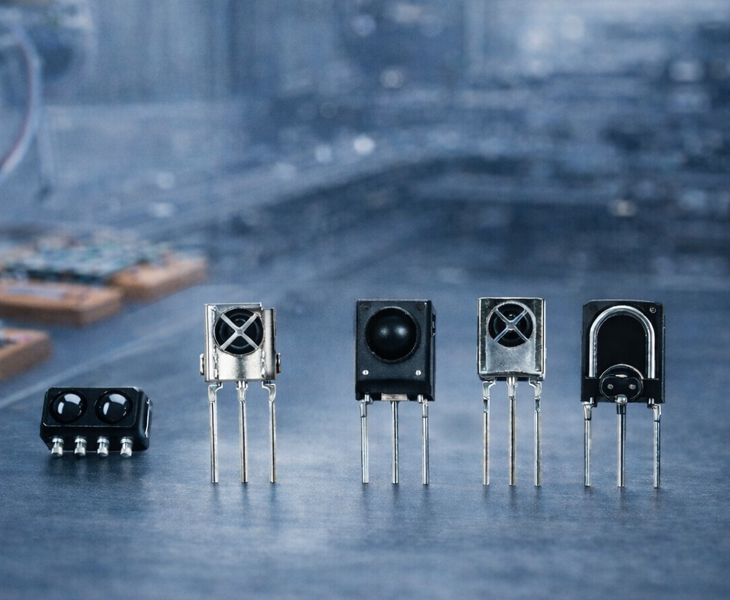
IR Receiver solution for lowpower & long-running system
Low-power IR receivers are primarily used in power-sensitive systems that require long standby times or are battery-powered. While ensuring basic reception performance, they reduce static current and operating power consumption to extend overall operating time and improve stability. They are suitable for projects requiring long operating times and controllable power consumption, such as remote control receivers, portable devices, and applications with strict energy consumption limitations.
Available Low-Power Infrared Receiver Models
The following are common low-power infrared receiver models. Click on a specific model to view detailed specifications and parameters:


Power Consumption Control
• Designed for low operating current during continuous or intermittent use
• Suitable for battery-powered or energy-sensitive systems
• Helps extend standby time and the overall lifespan of the device
• Often selected when power budgets are strictly limited
Key considerations during system power planning
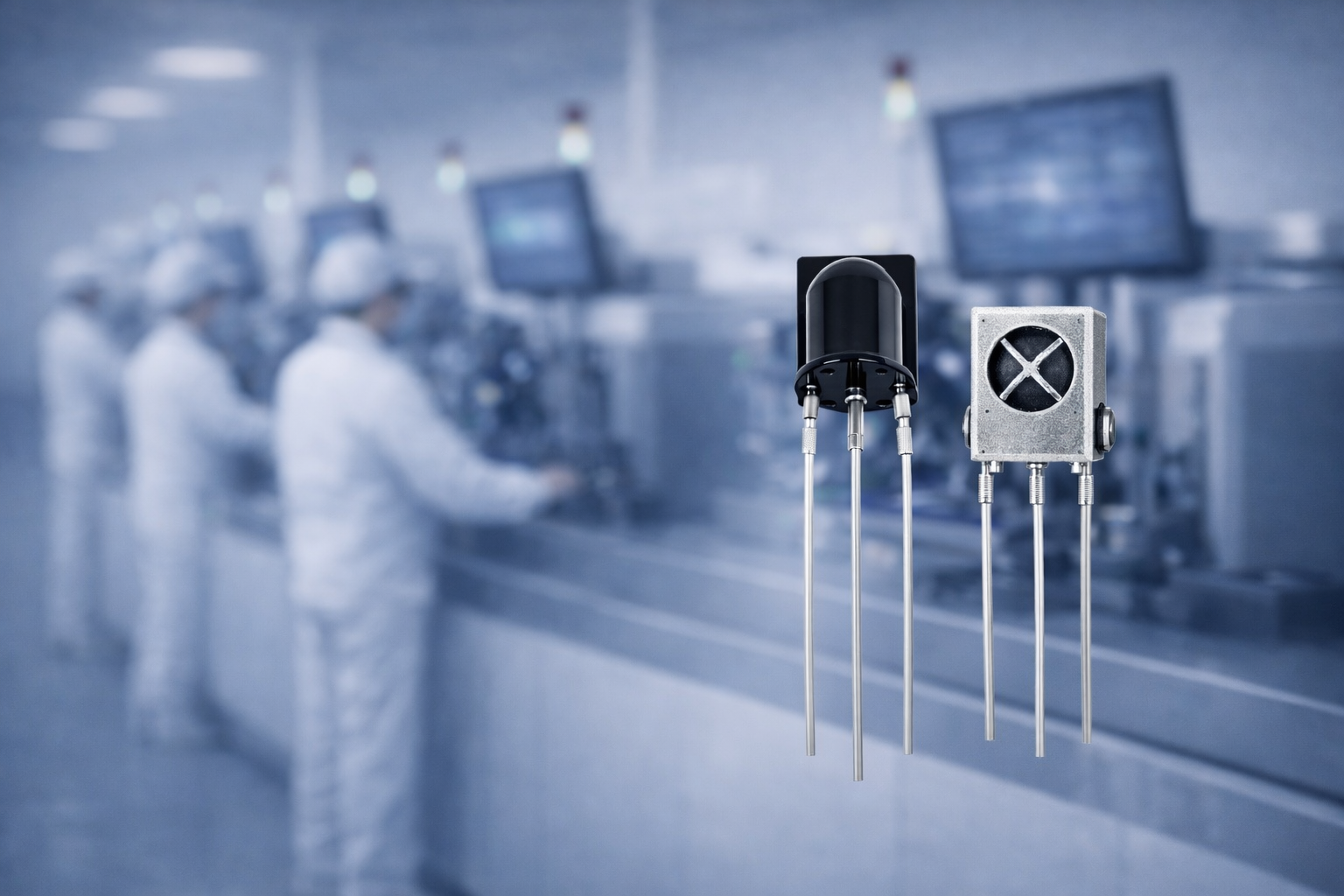
Signal stability at low power consumption
• Maintains reliable signal detection even with reduced power current
• Optimized internal architecture for stable decoding behavior
• Suitable for applications with long idle times and occasional activation
• Evaluated based on actual operational duty cycle rather than peak performance
The focus is on available stability, not maximum sensitivity.
System and electrical compatibility
• Operating voltage and output configuration match low-power MCU systems
• Compatible with common low-voltage control architectures
• Receiving frequency matches standard infrared transmission protocols
• Optical performance balanced with power consumption targets
Reviewed during system-level validation.
Consistency in mass production
• Power characteristics verified from samples through mass production
• Maintains consistent performance across production batches
• Suitable for long-term projects requiring predictable power behavior
• Reduces the risk of field issues due to current drift or variations
Crucial for consumer electronics and large-scale deployments.