IR TX/RX Pair for Sensing & Control Manufacturer
Factory direct sales; Bulk supply;Professional customized evaluation
IR TX & RX Pairs Supplier
The specific specifications/configurations of IR TX & RX depend on the project application requirements.


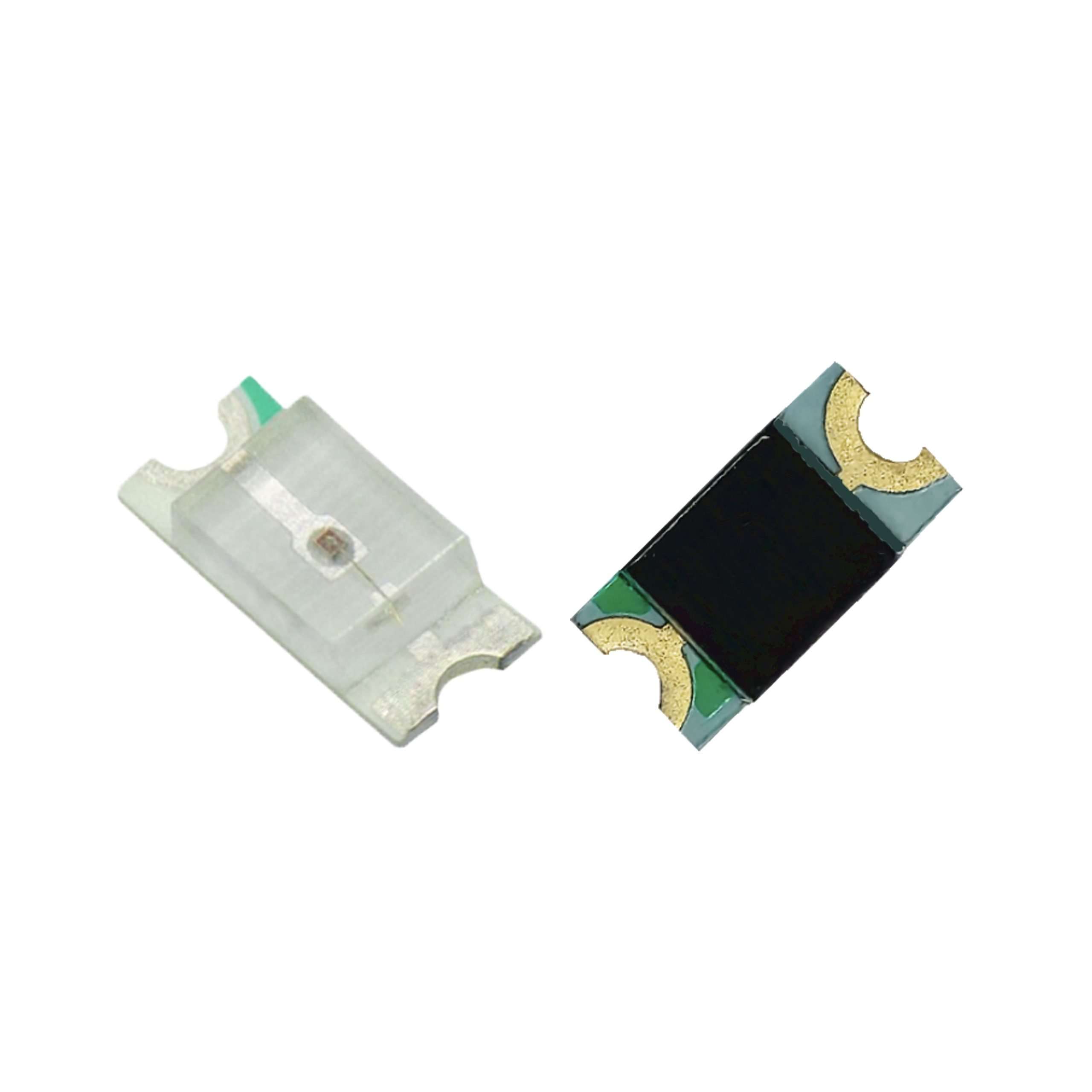


Stable Signal Communication IR Tx & Rx
We offer IR TX & RX with multiple frequency options; various packaging types;Suitable for mass production;Long-term supply.
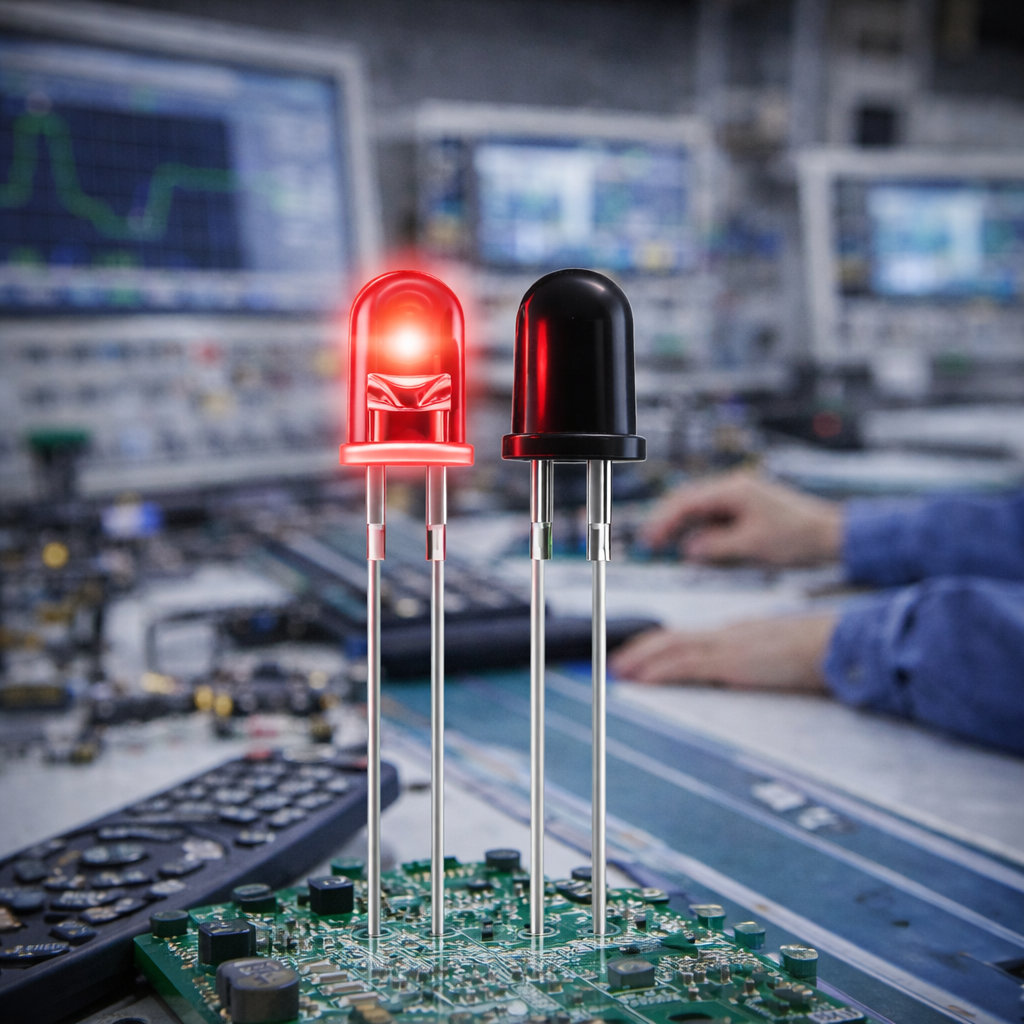 Frequency Matching
Tx modulation frequency must match the Rx center frequency.e.g., 36kHz & 38kHz, 40kHz & 56kHz
 Structure/Package Type
Select the package based on design & assembly method, e.g., DIP LED; compact SMD package; different lens shapes
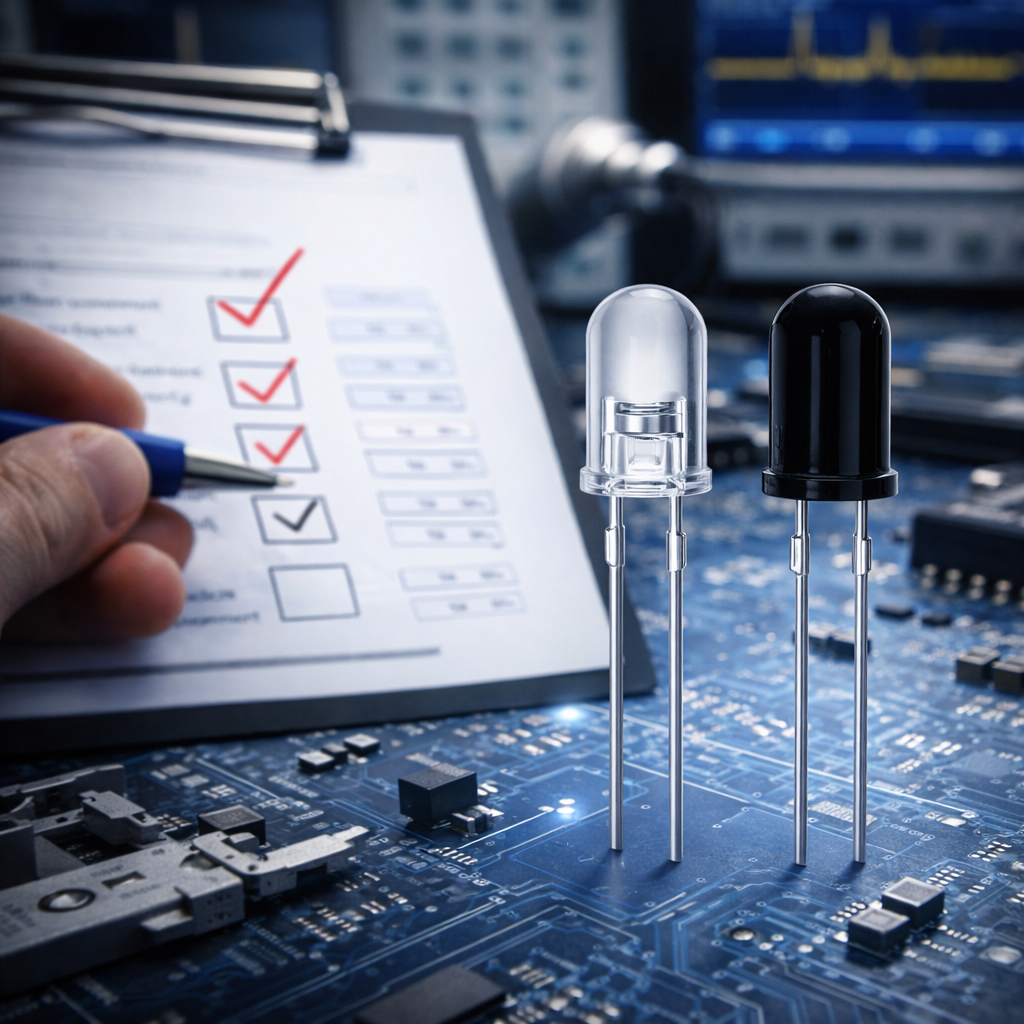 TX & RX Distance
Consider three points: IR LED emission intensity; TX sensitivity; drive current and optical alignment.
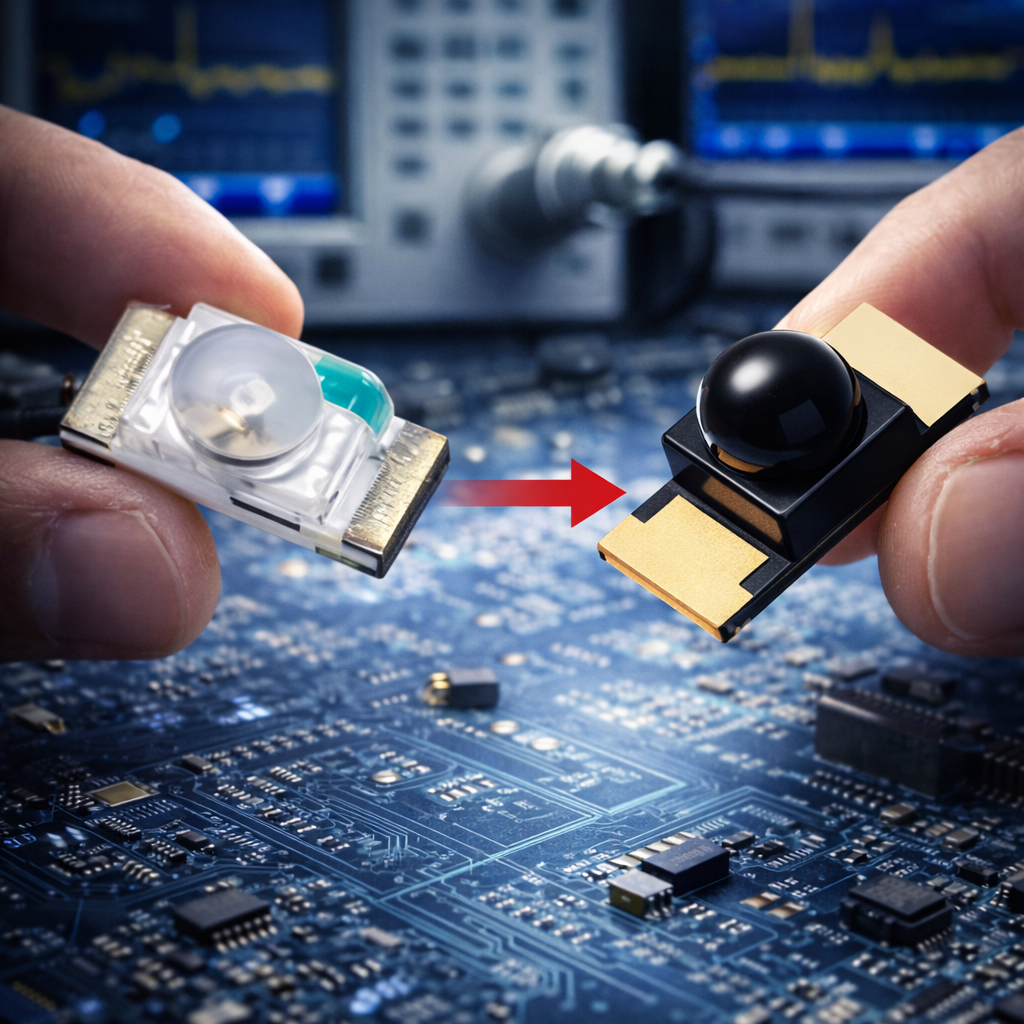 IR TX & IR RX Angles
Wider transmitter angle improves coverage;Narrower receiver angle increases the effective distance & reduces interference
Automatic Detection & Sensing Applications IR TX & RX
IR TX & RX enable non-contact object detection and automatic sensing in various electronic and control systems.

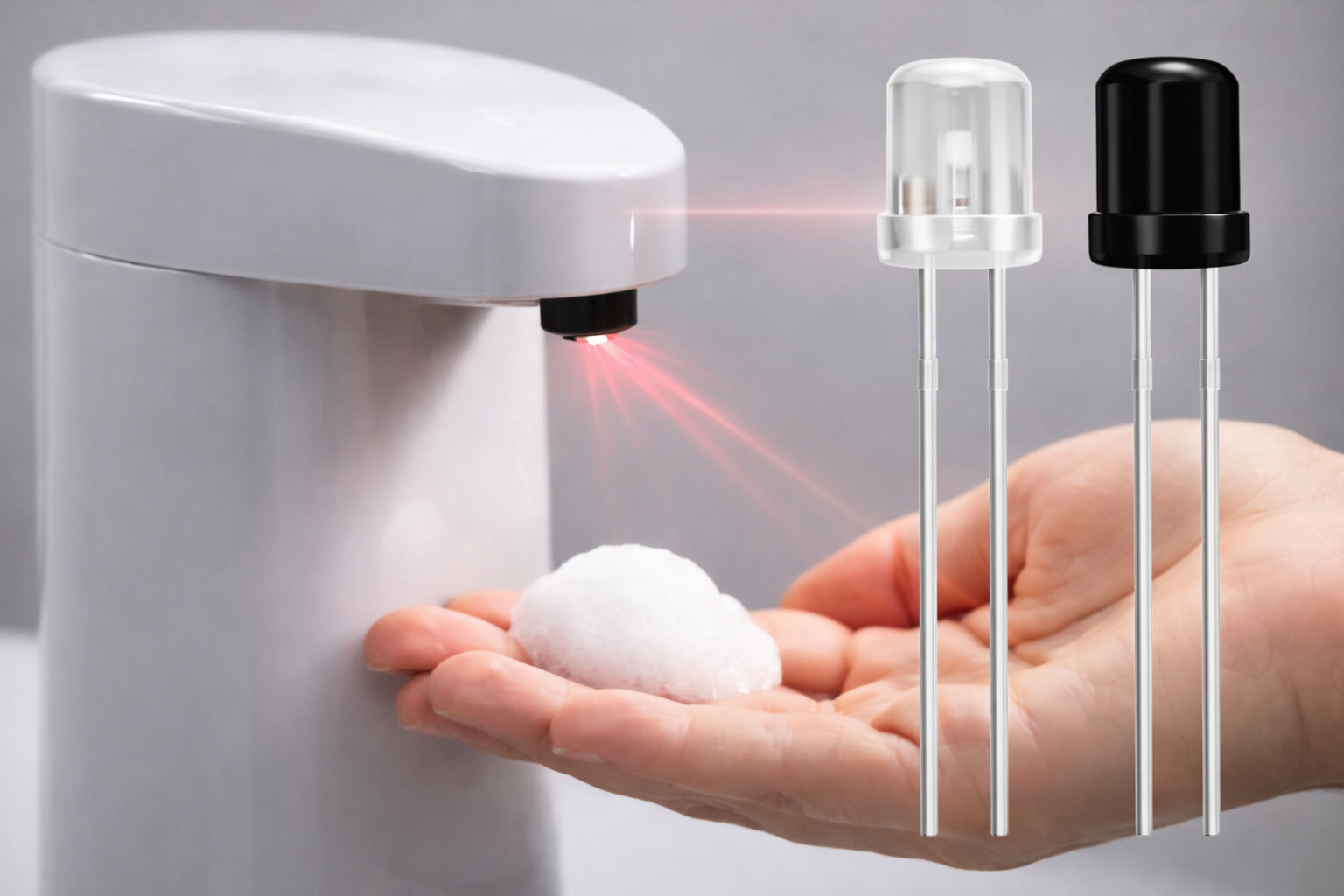
Object detection & proximity sensing in intelligent electronic devices, e.g, automatic dispensers, contactless switches

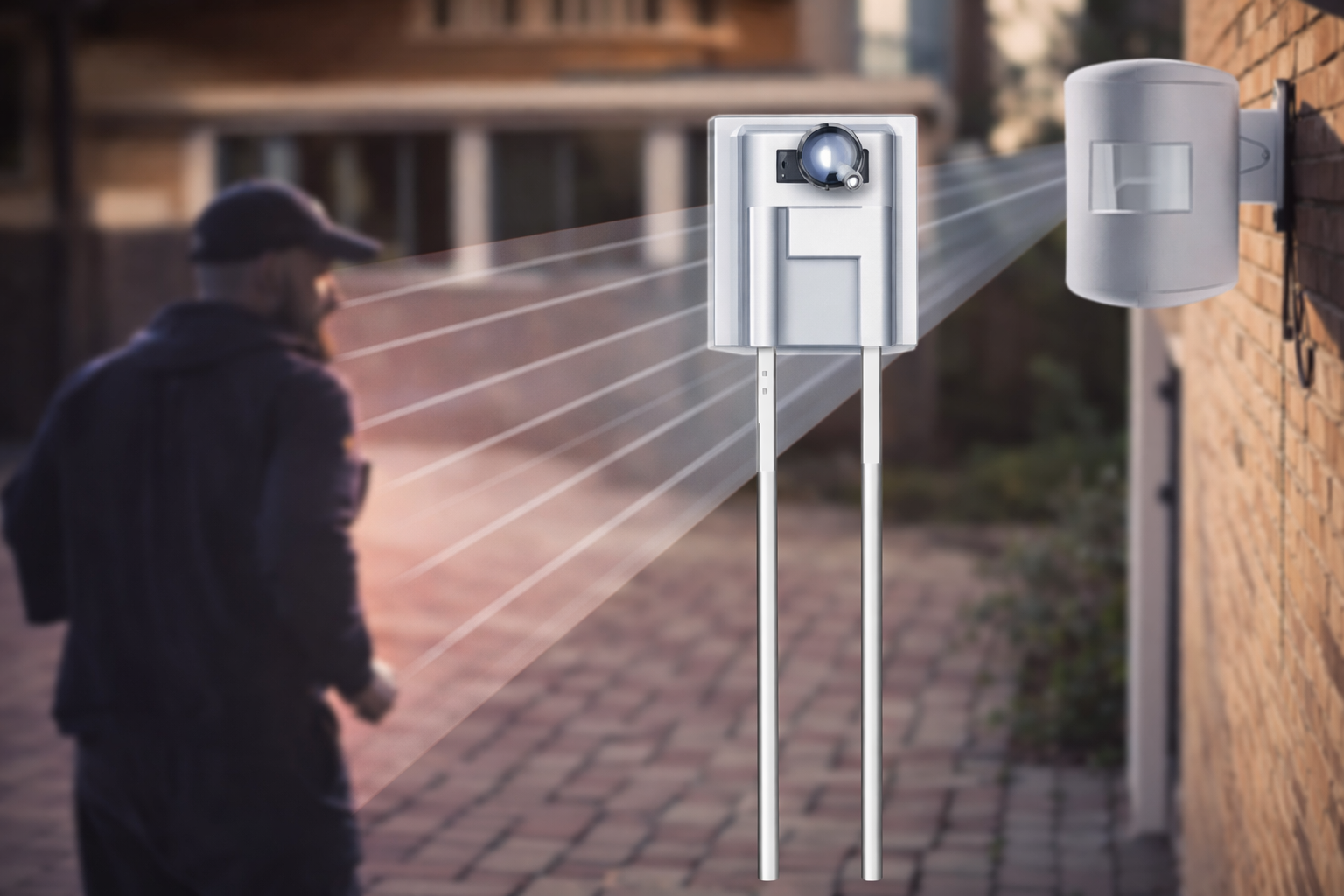
Object or motion detection in automatic door & access control systems

Support object detection & positioning in industrial equipment and automation systems

Used in systems requiring contactless sensing for monitoring or triggering functions
Why System Performance Depends on TX/RX Matching
Reliable sensing performance requires proper matching between IR transmitters and receivers.

Transmitter power, beam angle, and wavelength directly influence the effective transmission range.

Receiver sensitivity, optical filtering, and signal decoding capability affect noise immunity and detection reliability.

Mismatch between TX and RX can cause false triggers, unstable response, or missed detections.

Reliable systems require TX and RX to be evaluated together under actual operating conditions.
IR TX&RX Configuration considerations
• Detection distance and response speed
• Ambient light and EMI conditions
• Modulation and decoding methods
• Mechanical calibration and installation
• Power consumption and duty cycle
Our Manufacturing Capabilities
- Stable Mass Production
- Strict Quality Control
- Flexible Production Capacity
- Stable Component Supply
- Consistent Batch Quality

In some cases, yes — but only after evaluation. Small differences in optical or decoding behavior can significantly affect system reliability.
No. Excessive distance margin often increases sensitivity to ambient light and misalignment. Reliable systems prioritize repeatability over maximum range.
The evaluation may indicate limitations or required adjustments. This helps avoid unstable designs before production decisions are made.