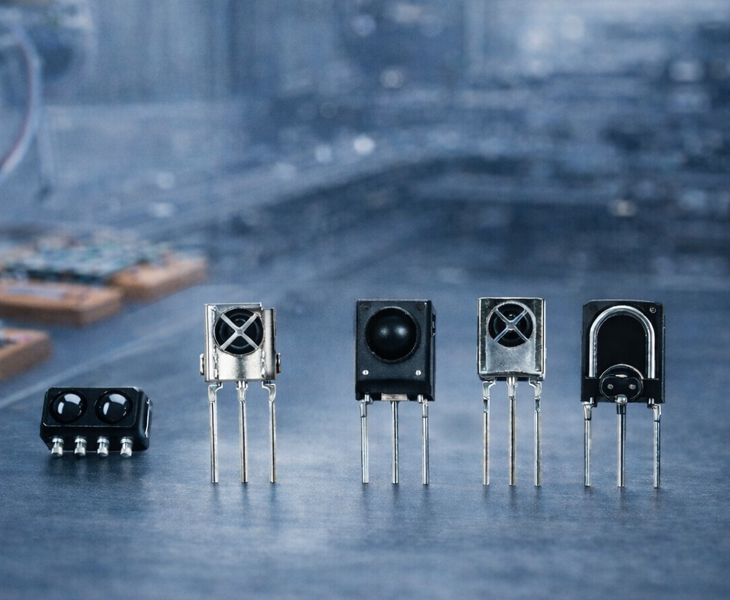
IR Receiver solution for long-distance signal reception and stable decoding
Long-range infrared receivers are suitable for applications requiring longer reception distances or where there is a significant distance between the transmitter and receiver. They prioritize reception sensitivity while also considering system stability and the feasibility of repeatable mass production. They are commonly used in home appliance remote controls, industrial control systems, and control panels to achieve long-distance signal reception and decoding.
Available Long-Distance IR Receiver Models
The following are common long-distance infrared receiver models. Click on a specific model to access the detailed specifications page


Requirements for ultra-long distance
• Designed for applications requiring longer signal reception distance
• Suitable for systems where transmitter-receiver spacing is relatively large
• Enables stable detection beyond standard short-range configurations
• Applied in scenarios where physical proximity cannot be guaranteed
Primary consideration when distance becomes a functional constraint.
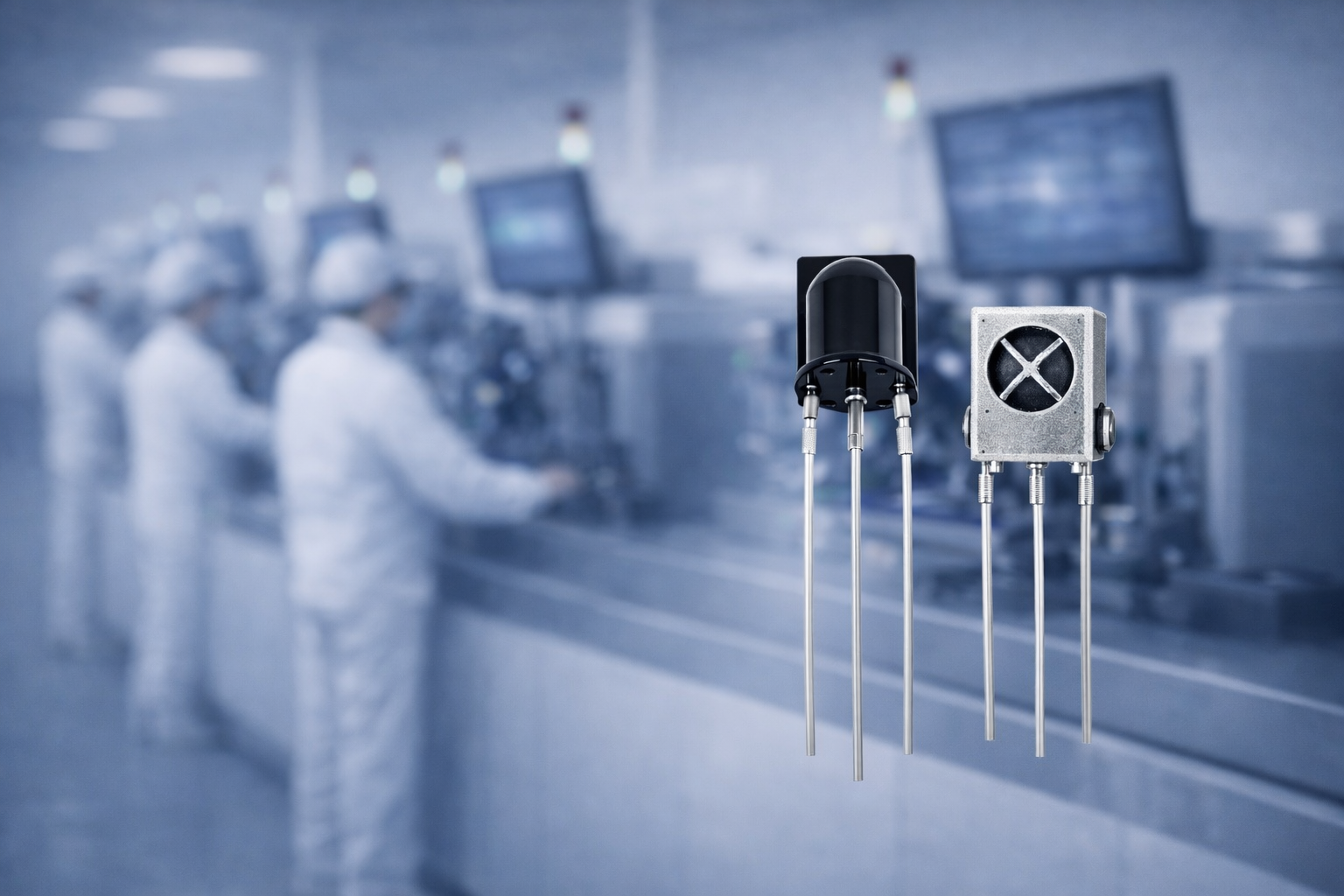
Sensitivity and Signal Stability Balance
• Receiving sensitivity evaluated under extended distance conditions
• Signal amplification and filtering behavior balanced for stability
• Avoids excessive sensitivity that may increase false triggering risk
• Performance assessed under realistic operating environments
Focuses on usable range rather than theoretical maximum distance.
Environmental and System Consideration
• Long-range performance evaluated together with ambient light conditions
• Receiving frequency aligned with standard IR transmission protocols
• System layout, shielding, and optical alignment reviewed as part of evaluation
• Supports stable operation in typical indoor and semi-controlled environments
Distance performance considered at system level, not in isolation.
Consistency and long-term operation
• Long-range behavior verified across samples and production batches
• Performance consistency maintained from pilot runs to mass production
• Reduces variability caused by component or assembly differences
• Suitable for projects requiring predictable long-term detection range
Important for appliances and control systems with fixed installation distance.